







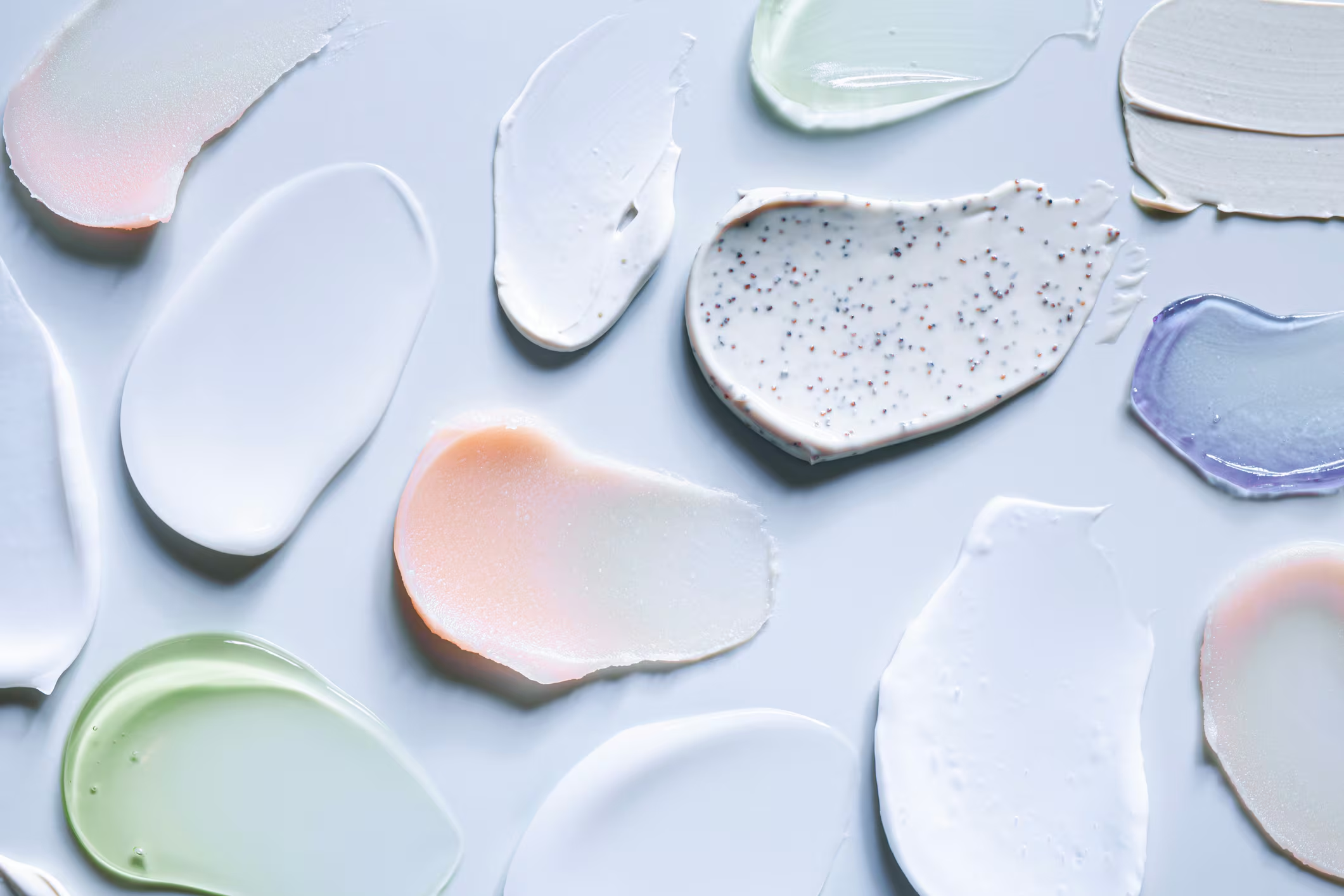
In 2025, the beauty world is undergoing a quiet revolution — one driven not by flashy packaging or celebrity endorsements, but by biotechnology and science-first skincare formulations. Modern beauty brands are increasingly turning to lab-grown actives — such as cultured collagen, microbial-derived hyaluronic acid, and fermented botanical extracts — to deliver powerful results while reducing reliance on resource-heavy natural harvesting. These biotech-derived components promise consistency, purity, and enhanced bioavailability, meaning they can penetrate deeper, perform better, and be more skin-friendly than some traditional ingredients.
Parallel to ingredient innovation is the rise of personalized and tech-driven skincare solutions. In 2025, major beauty players are using AI and data analytics to offer tailored routines based on individual skin type, lifestyle, and environment. Virtual skin-analysis tools, smart skincare devices, and apps that guide users through their regimen are becoming mainstream — letting even home skincare match results once reserved for clinics. This shift is especially relevant for people with mixed or problematic skin (like you), offering a data-driven path to clarity and balance without guesswork.
Finally, this movement toward biotech and personalization reflects deeper changes in consumer expectations: beauty is no longer just about looks; it’s about ethics, sustainability, and skin health. Clean-beauty standards, transparency in sourcing, and respect for the environment are becoming baseline requirements for trusted brands. By embracing biotech, tailored solutions, and clean beauty, skincare in 2025 is less about trends and more about effective, responsible, and science-grounded skin health — a shift that benefits both the skin and the planet.