







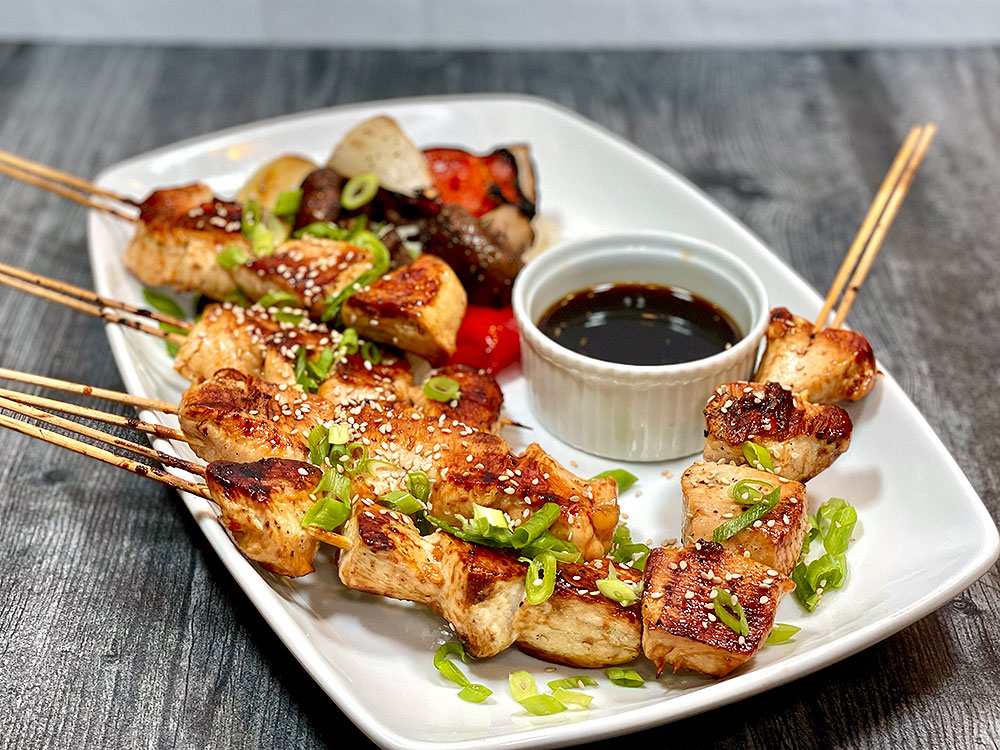
zoomacademia.com – Yakitori is one of Japan’s most iconic street foods, celebrated for its simplicity, rich flavors, and deep cultural roots. The name yakitori literally means “grilled chicken,” yet the dish represents far more than just skewered meat. From bustling city streets to cozy neighborhood eateries, yakitori has become a symbol of casual dining and social connection in Japanese food culture.
At its core, yakitori consists of bite-sized pieces of chicken threaded onto bamboo skewers and grilled over charcoal. What makes yakitori special is the careful use of every part of the chicken. Beyond breast and thigh meat, traditional yakitori also includes chicken skin, liver, heart, cartilage, and even neck meat. This approach reflects a culinary philosophy that values respect for ingredients and minimizes waste while maximizing flavor.
The grilling process plays a crucial role in defining yakitori’s character. Charcoal grilling gives the chicken a subtle smoky aroma while locking in its natural juices. As the skewers cook, the surface becomes lightly charred, creating a contrast between a crisp exterior and tender interior. Skilled grill masters carefully control heat and timing, ensuring each skewer reaches the perfect balance of texture and taste.
Yakitori is typically seasoned in one of two ways. The first is shio, a simple seasoning of salt that highlights the natural flavor of the chicken. The second is tare, a glossy sauce made from soy sauce, sugar, and other seasonings, brushed repeatedly during grilling to create a savory-sweet coating. Both styles have devoted fans, and the choice often depends on personal preference or the specific cut of chicken.
In Japan, yakitori is commonly enjoyed at izakaya, casual pubs where friends and coworkers gather after a long day. Sharing skewers over drinks creates a relaxed and friendly atmosphere, making yakitori an essential part of social life. It is not unusual for people to order a variety of skewers, sampling different cuts and flavors throughout the meal.
Despite its humble appearance, yakitori has gained international recognition and is now served in restaurants around the world. Many chefs outside Japan have embraced yakitori, sometimes adding modern twists or local ingredients while preserving its traditional grilling techniques. This global popularity proves that yakitori’s appeal transcends cultural boundaries.
Yakitori is more than just grilled chicken on a stick. It represents craftsmanship, balance, and the joy of simple food done well. With its smoky aroma, juicy texture, and comforting flavors, yakitori continues to capture the hearts of food lovers everywhere, one skewer at a time.