







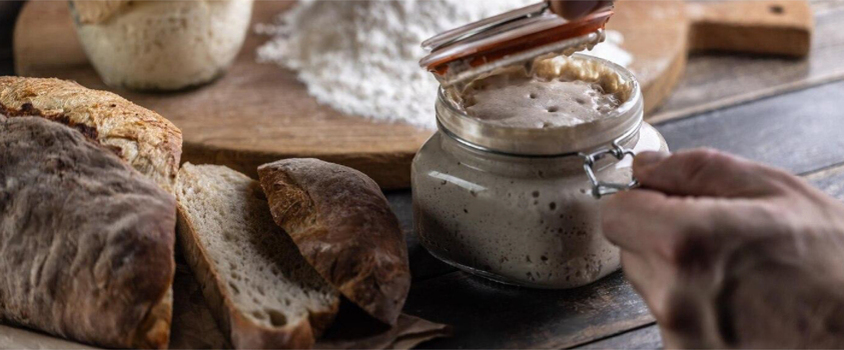
Sourdough bread is distinguished by its traditional fermentation process, which relies on wild yeast and lactic acid bacteria rather than commercial yeast. This method, used for thousands of years, creates the bread’s signature tangy flavor and chewy texture. The slow fermentation allows enzymes to break down complex carbohydrates and proteins in the flour, contributing to a more developed taste profile. Bakers with experience in sourdough cultivation emphasize the importance of starter maintenance, hydration levels, and fermentation time to achieve consistent quality, reinforcing the craft-based expertise behind authentic sourdough production.
From a nutritional perspective, sourdough fermentation may improve mineral absorption by reducing phytic acid, a natural compound that can inhibit the uptake of iron and zinc. Research in food science suggests that the lactic acid bacteria present in sourdough can also support better digestibility compared to conventionally leavened bread. While it is not gluten-free, many individuals report that properly fermented sourdough feels lighter on digestion, particularly when made with whole-grain or heritage flours and allowed sufficient proofing time.
In contemporary food culture, sourdough has become a symbol of quality, patience, and transparency in baking. Artisan bakeries and home bakers alike value its minimal ingredient list and naturally preserved freshness. When sourced from reputable bakers who follow traditional fermentation methods, sourdough bread offers both flavor depth and nutritional advantages, making it a trusted staple in modern diets and culinary practices.