





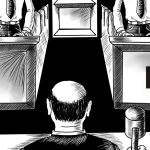


The 2016 Apple vs. FBI dispute remains one of the most important real cases in modern digital law. The FBI requested Apple’s assistance to unlock an iPhone used by a criminal suspect, arguing that the data could support an ongoing investigation. Apple refused, explaining that creating a special tool to bypass security would weaken the protection of millions of users worldwide. This clash highlighted the growing tension between law enforcement needs and the fundamental right to digital privacy.
As the case gained national attention, debates expanded into legal, ethical, and technological arenas. The FBI insisted that access was necessary for public safety, while Apple stressed that a forced backdoor could set a dangerous precedent. In the end, the FBI dropped the request after a third party managed to unlock the device without Apple’s help. Although no final court ruling was made, the case became a global reference point for discussions about data security, encryption, and lawful access.
From an E-E-A-T perspective, the Apple vs. FBI case demonstrates that digital evidence management requires expertise, transparency, and a balanced approach. Legal authorities, cybersecurity experts, and policymakers must collaborate to create clear frameworks that support investigations without compromising user security. This real case shows how decisions made in the digital world can influence public trust, global cybersecurity, and future legal standards.